
August 24, 2026

Written by:
Greg Schubert
An incomplete case submission is one of the most common (and most avoidable) reasons dental implant cases get delayed. A missing photo here, an unclear prescription there, and suddenly you're on the phone with your lab instead of moving on to your next patient.
The good news is that most of these delays are completely preventable. All it takes is a few extra minutes before you send the case out the door. Below is a simple checklist you can follow before submitting any implant case, whether it's a single crown or a full-arch restoration.
Think of this as your pre-flight check. Run through it before every case, and you'll cut down on back-and-forth calls, rework, and delays on both ends.
Your prescription is the foundation of the entire case. Make sure it includes:
A complete prescription helps your technician get started without having to reach out first to confirm missing details.
Give your lab the full picture. This means:
The more context your lab has, the fewer surprises you'll run into at delivery.
Radiographs and photos help your lab understand what they're actually working with. Include:
For anterior or high-visibility cases especially, photos give your technician valuable references for shade, contour, and other esthetic details.
Whether you're going digital or sticking with conventional impressions, accuracy here matters more than almost anything else in the case. Include:
If you're working on a complex case, digital scans can make a real difference in accuracy and speed. Check out our guide to digital workflow for complex implant cases to see how integrated digital planning can simplify even the trickiest cases.
This one sounds obvious, but it's a surprisingly common gap. Your lab needs to know:
Missing implant system information can prevent your lab from confirming the correct components and may delay the case while those details are clarified.
Be specific about what you actually want delivered. Cover:
The clearer you are here, the less guesswork your technician has to do, and the better equipped your lab is to fabricate the restoration to your specifications.
Your lab can't read your calendar. Let them know:
If you're in a time crunch, don't be afraid to say so. PRO-Craft offers free rush cases for exactly these situations, whether it's a wedding, a big event, or just a scheduling curveball.
Some cases deserve a conversation before you ever send an impression. This includes:
Full-mouth dental implants and full-arch cases involve a lot of moving parts, and reaching out early gives your lab the chance to flag potential issues, walk through the plan with you, and set expectations before treatment even begins. It's one of the simplest ways to avoid surprises later. Our implant case planning resources can help you prepare before you submit.
Here's the scannable version to keep handy at your desk or pin up chairside:
✔ Laboratory prescription completed
✔ Patient records included
✔ Radiographs attached
✔ Clinical photos attached
✔ Digital scan or impression included
✔ Bite registration included
✔ Implant system identified
✔ Restoration specifications provided
✔ Shade selected
✔ Seating date communicated
✔ Special instructions included
At the end of the day, a smooth dental implant case comes down to lab communication. Taking a few extra minutes to complete every item on this checklist can reduce delays, cut down on unnecessary phone calls, and help ensure a smoother workflow from submission to seating. Your lab wants the same outcome you do: a great fit, a happy patient, and no surprises along the way.
Want to make your next submission even easier? Download PRO-Craft's Free Dental Practice Accelerator Kit for practical tools and resources designed to streamline your workflow, from case planning to delivery.
And if you're gearing up for a complex case, whether it's a full-arch restoration or a multi-unit implant plan, reach out to our team early. Our case planning resources and dedicated technicians are ready to collaborate with you before treatment even begins, so you can submit your next dental implant case with confidence.

An incomplete submission usually means your lab has to pause and reach out for missing information before work can begin. Even something small, like a missing shade or an unclear prescription, can delay the case while your lab waits for clarification. Running through the checklist above before you submit is the easiest way to keep your case moving without interruption.
Full-mouth dental implants and full-arch cases involve more moving parts than a single crown or bridge, from implant positioning to provisional design to final restoration. Looping in your lab early during the planning process gives your team more time to discuss the restorative plan, identify potential issues, and establish realistic expectations before the case moves forward.
Clear, upfront lab communication is the difference between a smooth case and a frustrating one. For complex or multi-unit cases, a quick call or consultation before you submit can help reduce back-and-forth later. Don't hesitate to ask your lab questions about implant systems, components, or timelines before treatment begins.
The records needed can vary depending on the case. When a CBCT scan is relevant to the treatment plan, including it with the submission can give your lab additional information for case planning. If you're unsure what records PRO-Craft needs for a particular implant case, contact the lab before submitting.
Life doesn't always follow a treatment plan. If you're working against a tight timeline, whether it's a patient event or an unexpected scheduling change, let your lab know as early as possible. PRO-Craft offers free rush cases for exactly these situations, so don't be afraid to ask.
.png)
Restoring patients with insufficient bone volume is one of the most challenging areas of implant dentistry. Fortunately, today’s technology makes placing dental implants with limited bone not only...
Read More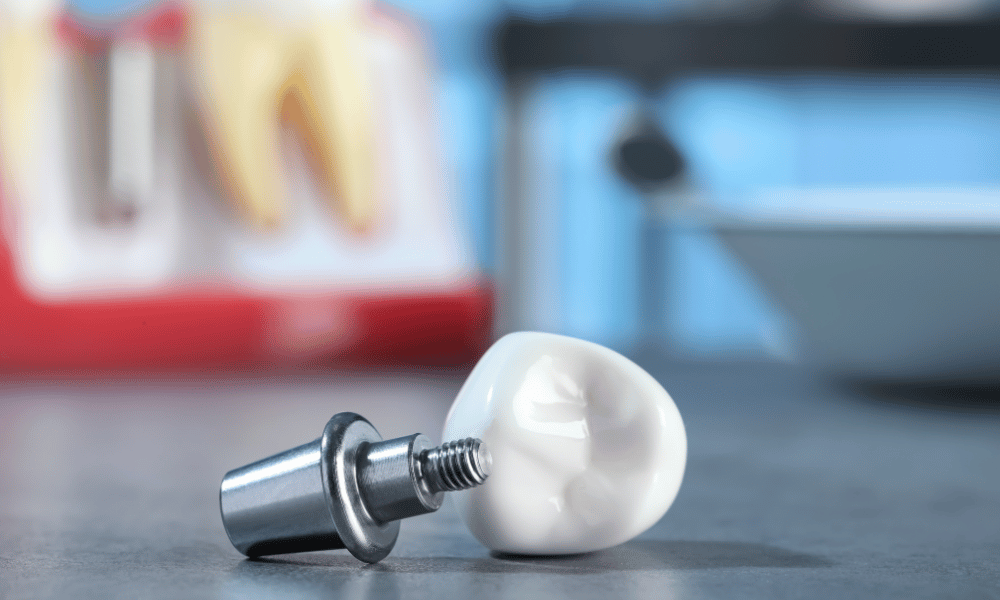
Choosing the right abutment impacts the success and aesthetics of any dental implant. Abutments connect a dental prosthetic, such as a crown, and the implant post anchored in the jawbone. They are...
Read More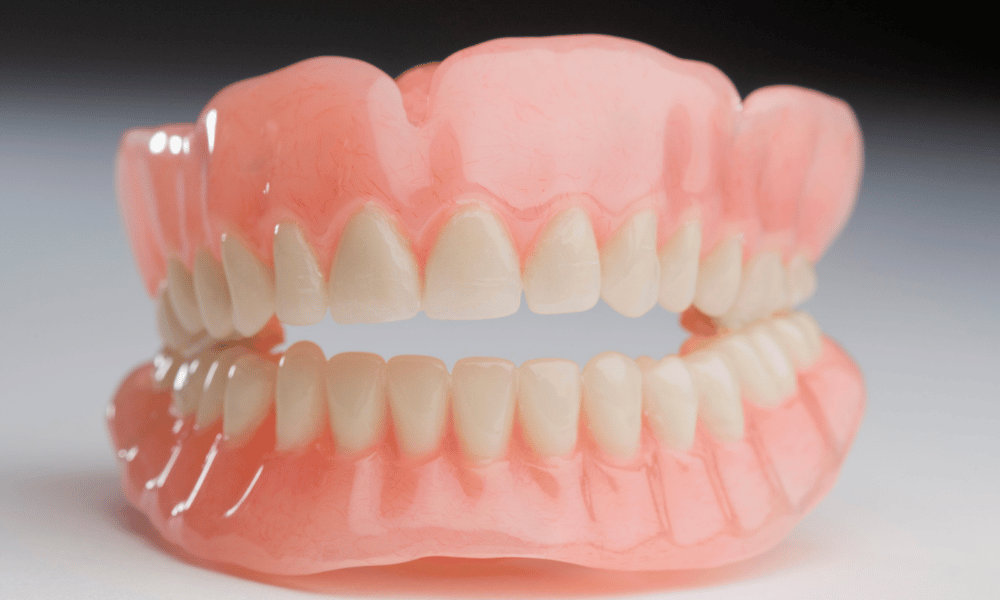
Dental implants enable you to make a big difference in the lives of patients who need tooth restoration. For the past several decades, titanium has been the gold standard for replacement teeth. But...
Read More
As an industry leader in CAD/CAM technology, we have taken the fabrication of digital restorations to a new & exciting level of service.
25791 Jefferson Ave, Murrieta, CA 92562
info@pro-craft.com
877-484-3522