
December 15, 2025
.png)

Written by:
Greg Schubert
Restoring patients with insufficient bone volume is one of the most challenging areas of implant dentistry. Fortunately, today’s technology makes placing dental implants with limited bone not only possible but highly predictable. Advanced diagnostic imaging, guided surgical techniques, bone regeneration, and innovative prosthetic solutions mean you can rehabilitate even the most complex dental implant cases.
When patients lack adequate bone, a traditional implant becomes risky, so you may need a bone graft to create a stable foundation, mainly because the functional pressure of chewing places significant stress on the implant–bone interface. Without the right support, the implant may not bond well to the bone. Now, though, you can access a variety of grafting materials to help rebuild deficient ridges and prepare the site for long-term implant stability.
Our guide explains how to approach implant planning with bone loss and when to partner with dental labs like PRO-Craft to deliver the best restorations, such as dentures, for your patients.
Your patients can experience bone loss for many reasons, like periodontal disease, trauma, tooth extraction, or long-standing edentulism. When bone volume decreases, it increases risks such as:
Traditional titanium implants depend on sufficient height, width, and density to achieve osseointegration. In cases of severe bone loss, these dental implants may lack the anchorage for stability. Plus, working around complex anatomy, such as the posterior teeth, can make these cases even harder.
That’s why you should consider non-conventional implant designs, such as using alternative materials like zirconia, rather than relying solely on standard protocols.
Predictable results start with a careful, in-depth evaluation. Comprehensive diagnostics ensure that your treatment plan aligns with the patient’s bone conditions and restorative goals.
Cone-Beam Computed Tomography (CBCT) is the core imaging tool for complex implant treatment planning. CBCT provides high-resolution, three-dimensional views that can identify abnormalities in vital bone structures with greater accuracy than conventional radiographs.
CBCT helps you:
A CT scan during this consultation helps determine which surgical technique your patient needs for dental implants with limited bone. When making this call, there are specific areas you need to pay attention to.
These areas include:
Restorative-driven treatment planning is the crux of approaching any implant cases, but especially for implant planning with patients experiencing bone loss. These complex dental implant cases benefit from a complete exam and medical review to create the final plan.
While conducting these reviews, focus on factors like the:
With this restorative-first approach, your patient’s implants will be placed in the most supportive places for the final prosthesis, and not the other way around.
You can rebuild or work around insufficient bone using these common methods for limited bone implant cases below.
Bone Grafting and Augmentation
Bone grafts help rebuild deficient ridges using autogenous bone, donor grafts, synthetic substitutes, or xenografts for dental implants with limited bone. Some of the typical procedures include:
Bone grafting for dental implants prevents rapid bone loss while still preserving the ridge architecture during extraction.
A couple of other implant options for severe bone loss, especially if your patients decline grafting or have severe bone deficiency, are All-on 4 implants and Zygomatic implants.
All-on-4 implants use four implants placed at strategic angles to maximize existing bone contact. On the other hand, zygomatic implants anchor into the cheekbone to bypass the maxillary sinus entirely. Both of these techniques allow immediate loading and full-arch rehabilitation while eliminating the need for extensive grafting.
Short implants and mini implants are useful when ridge height or width is limited.
The advantages of these implants are that they:
However, they also come with limitations, such as a lower surface area for osseointegration and reduced load-bearing capacity.
Digitally planned, CBCT-generated surgical guides significantly improve accuracy, especially in limited bone implant cases.
The benefits of this surgery include:
Guided surgery ensures implants align correctly with the prosthetic design for better long-term outcomes.
Selecting the right prosthetic materials and design is essential when bone support is limited. Using zirconia implants with bone loss cases, or even zirconia full-arch hybrids, offers excellent strength, stability, and aesthetics, which is great for patients with:
Hybrid designs may incorporate a titanium bar substructure for additional reinforcement when restorative space is limited. Hader bars and clip attachments dramatically improve denture retention and stability by making sure the forces are evenly distributed and that the prosthesis can be removed for maintenance.
Knowing how to restore implants with poor bone support means also knowing when you need a specialist to help. Specialists can offer advanced solutions such as zygomatic implants, subperiosteal implants, or staged grafting protocols.
A referral is recommended when:
Recognizing red flags early in limited bone implant cases helps avoid complications later. Patients with limited mobility, extensive systemic conditions, or unrealistic expectations about treatment length or outcomes are more likely to experience challenges. Collaborating with a specialist lets high-risk cases receive the surgical precision and comprehensive planning needed for the best results.
Successful outcomes in complex dental implant cases come from the right combination of diagnostics, surgical skill, restorative planning, and laboratory support.
If you need that high-quality lab support, PRO-Craft Dental Laboratory can help you manage all sorts of high-risk cases with:
Our expertise in dentures, custom abutments, implant bars, zirconia hybrids, and full-arch restorations means your restorative plan aligns perfectly with your surgical strategy.
Connect with us today by filling out our form to join our accelerator kit partner program or call 877-484-3522 to discuss your next complex implant case and get expert support at every stage, from planning to final restoration.


Implant bar overdentures are perfect for patients wanting a more stable, comfortable, and natural-looking alternative to traditional dentures. This guide walks through the step-by-step process of the...
Read More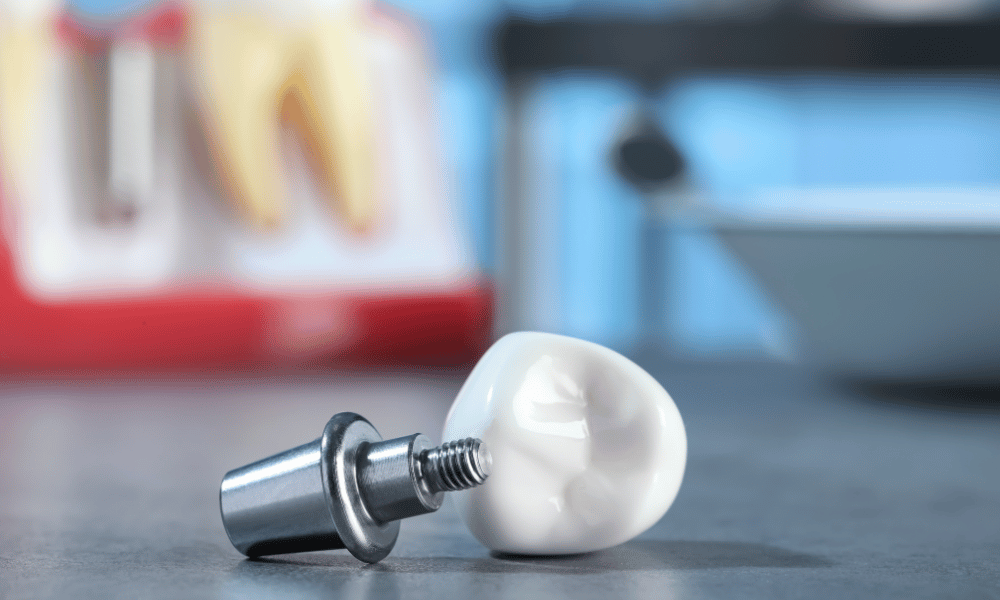
Choosing the right abutment impacts the success and aesthetics of any dental implant. Abutments connect a dental prosthetic, such as a crown, and the implant post anchored in the jawbone. They are...
Read More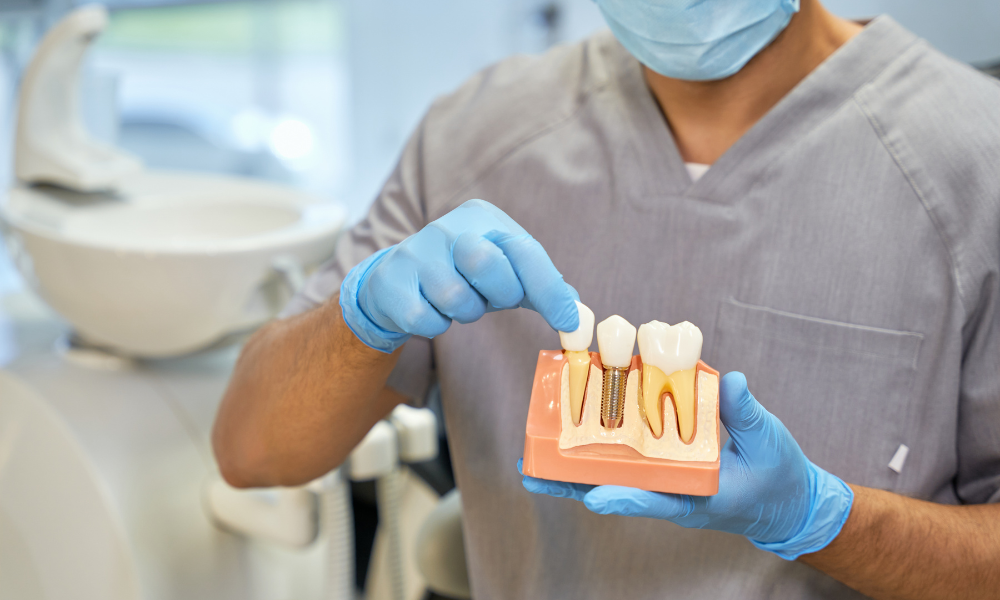
An incomplete case submission is one of the most common (and most avoidable) reasons dental implant cases get delayed. A missing photo here, an unclear prescription there, and suddenly you're on the...
Read More
As an industry leader in CAD/CAM technology, we have taken the fabrication of digital restorations to a new & exciting level of service.
25791 Jefferson Ave, Murrieta, CA 92562
info@pro-craft.com
877-484-3522